


The cooperative, which is celebrating its 90th anniversary, has published the research of historian Enrique Berzal de la Rosa, shedding light on previously unseen documents that reveal the winery’s fundamental role and pioneering position in advocating for the effective implementation of a designation of origin, as well as its early commitment to planting Verdejo grapes—now the region’s signature variety
Valladolid. 22 May 2025- Valladolid’s Provincial Council has been chosen as the venue for the launch of a book commemorating the 90th anniversary of the wine cooperative, now known as Bodega Cuatro Rayas, founded on 24 January 1935. The book, which provides readers with a detailed analysis of the winery’s key milestones since its foundation, highlights its leading role in the creation of the Rueda Designation of Origin and the expansion of the Verdejo grape throughout the region. Titled Bodega Cuatro Rayas, 1935–2025 A Story of Cooperation and Success the book brings together the research of historian Enrique Berzal de la Rosa, who has unearthed a series of documents from the Provincial Archive of Valladolid that illustrate the efforts made by the cooperative’s winegrowing members since the 1940s to preserve the quality of the region’s white wines.

The book shows that, on multiple occasions in 1946, and with even greater determination in the 1960s and 1970s, the winery sent formal letters to the authorities, advocating for the creation of a designation of origin in line with the provisions of the 1932 Wine Statute. Their goal was to prevent producers from other parts of Spain from blending their wines with local ones and falsely marketing them as wines of the same quality. Without doubt, these efforts served as a crucial prelude to the official establishment of this Designation of Origin nearly four decades later. Some of the documents also show that, as early as the 1950s, the Governing Council was urging its members to focus on cultivating the Verdejo variety. One document from 1956 even states: “Our entire future in the wine industry depends on the conservation and intensification of the Verdejo grape variety, which is unique to the region.”
This document also underlines the need for continued efforts to realise this goal, encouraging members to keep planting Verdejo so that it would become the region’s flagship variety and “thus uphold the reputation of this grape.” In the 1970s, oenologist Ángel Calleja joined the Cooperative, helping to refine a winemaking style that would earn international acclaim under the Cuatro Rayas name. The rest, as they say, is history—captured in black and white within this book, commemorating Cuatro Rayas’ 90th anniversary.
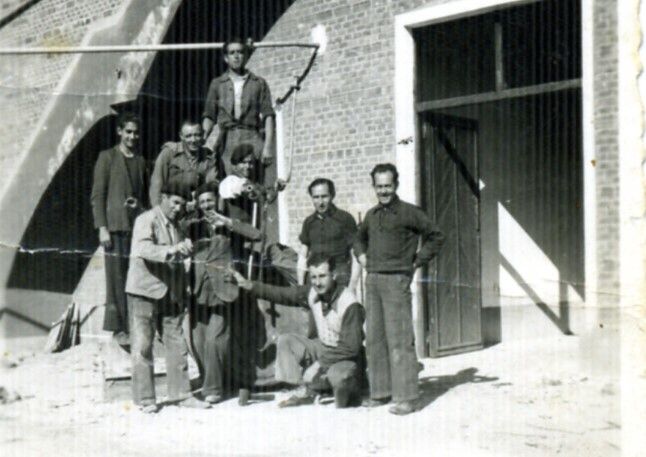
In addition to Berzal’s research, the book includes historical photographic records of the cooperative’s winegrowers, as well as stories shared by cooperative members, journalists, industry professionals and wine enthusiasts—including wine critic José Peñín, journalist Javier Pérez Andrés, and novelist César Pérez Gellida—who offer a deeply personal perspective on the world of wine and the journey of Bodega Cuatro Rayas.


